My Child Plays Chess Too Fast. How Can We Help?
Give a pause a purpose. Try a short practice exercise that helps your child notice what changed, consider a reply and explain a decision before moving.
If your child plays chess too fast, give them a small task to complete before moving. In a practice position, ask them to notice the opponent’s last move and imagine one possible reply to their own idea. Rehearse that process away from a competitive game, then let them try it independently.
A request to “slow down” leaves a child with an unanswered question: what should I do with the extra time? A useful pause has something specific inside it. Start small enough that your child can explain the task in their own words.
Find out what is happening before adding a rule
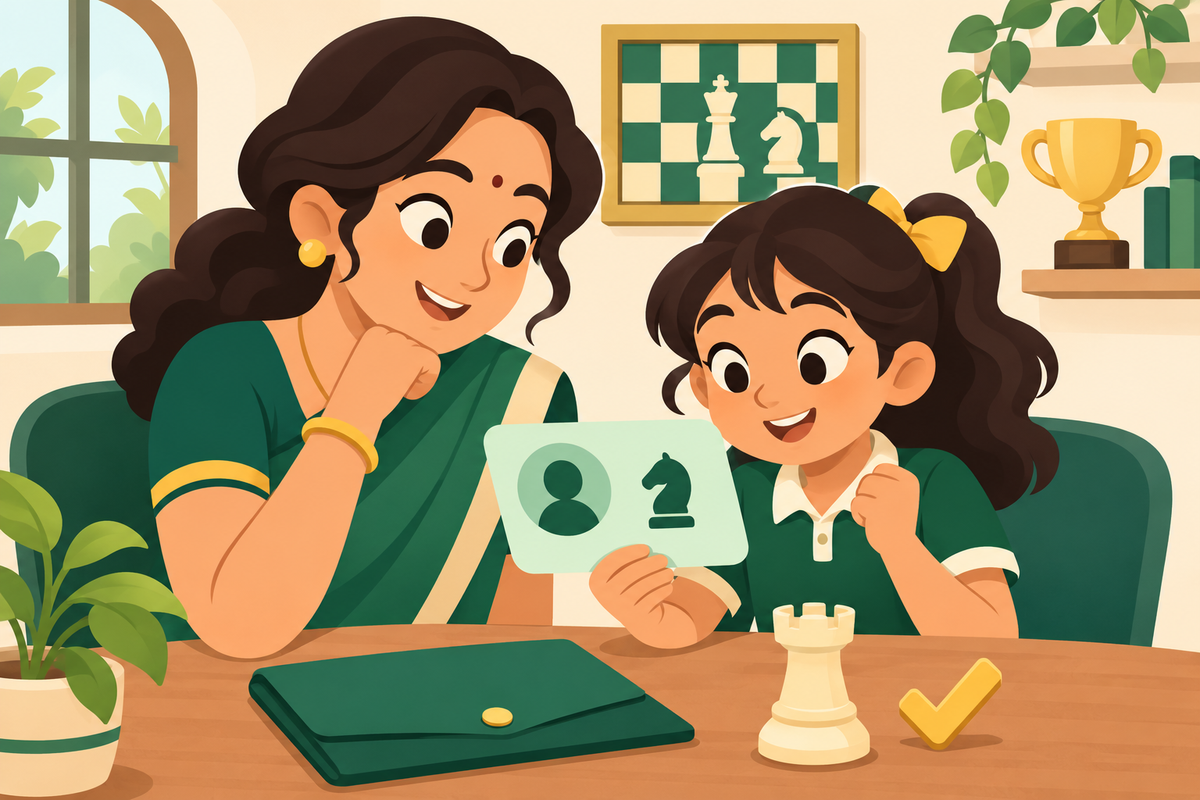
Choose one completed game and return to a move your child made quickly. Ask, “What were you hoping would happen?” Listen before showing a better move. Their answer helps you decide what to practise.
If they knew a familiar idea and checked the reply, a quick move may have been reasonable.
If they noticed a tempting capture but never looked at the opponent’s response, rehearse looking one reply ahead.
If they felt frightened by the clock, discuss a more comfortable practice setting with the coach.
If they cannot explain what the pieces can do, simplify the position before asking for deeper thinking.
These are possibilities to explore, not diagnoses. One fast move does not tell you how much a child understands. Look at the decision and its explanation together.
A short rehearsal with three turns
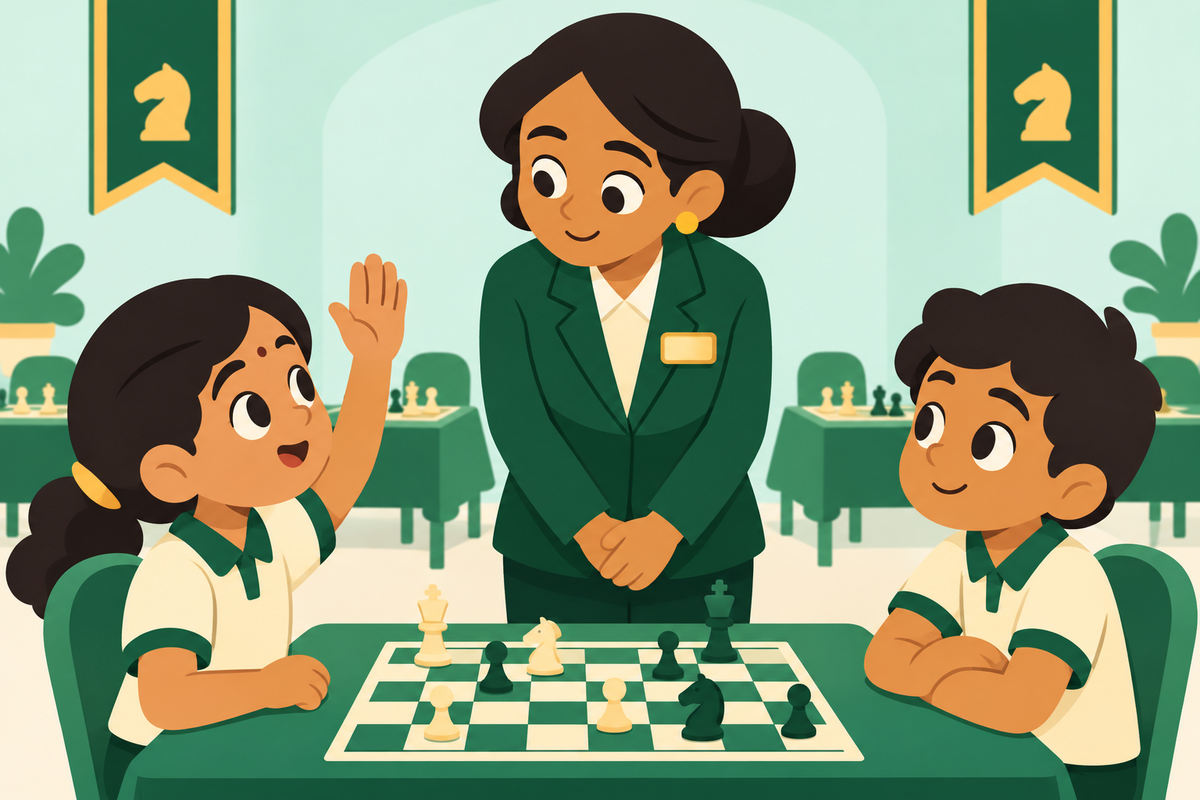
Use a board position from a finished game or an exercise the coach has chosen. Make it an agreed teaching activity. Put away the timer at first and take turns describing a move before touching a piece.
Adult models one decision. Say what changed on the board, name a possible move and point out one legal response the opponent could make. Keep the explanation short.
Child tries one decision with a prompt. Ask, “After your move, what could the other player do?” Allow time for pointing or moving pieces in this exercise.
Child tries another decision independently. Ask them afterwards which part they remembered. If the task is too much, practise just noticing the last move and build from there.
The thinking task comes before the speed target. Avoid requiring exactly the same waiting time for every move. Waiting without looking teaches little, and some positions need more attention than others.
Considering the opponent’s plans is also part of ChessKid’s introductory thinking lessons. The three-turn rehearsal above is a suggested home activity, rather than a fixed training programme or a promise of faster progress.
Choose one habit for the next game
Agree on a simple goal before play, such as noticing the opponent’s last move. Let your child choose a comfortable way to remember it. During an independent game, the decision belongs to them. Save questions and reminders for afterwards.
This distinction matters online too. ChessKid’s live-game rules prohibit outside assistance. Use the platform or event’s rules, and keep guided exercises separate from games against other players.
If the clock leaves no room to attempt the habit, our guide to choosing a chess time control explains the options. A longer setting still needs a clear thinking task.
Review a moment when the pause helped
After play, ask your child to find one move where they considered a reply. Praise the specific action: “You checked what the knight could attack.” That gives them something repeatable, even if the game ended in a loss.
Keep a small practice note with the date, the habit attempted and one position to ask about. If the same difficulty continues, share that position with the coach. The question might be about recognising threats, understanding a piece’s job or managing the clock. Each calls for a different exercise.
Project64’s live online classes include guided practice and game review. Book a free online demo and mention that your child tends to rush. A recent game and your child’s explanation offer a useful starting point for discussing the next lesson.